2022 “The Origins of a Sixteenth-Century ‘In-Between’ Generation and the Long Shadow of Early Twentieth-Century German Historiography” (PhD diss., Stanford University, 2022). URL: https://purl.stanford.edu/gb578zc4005.
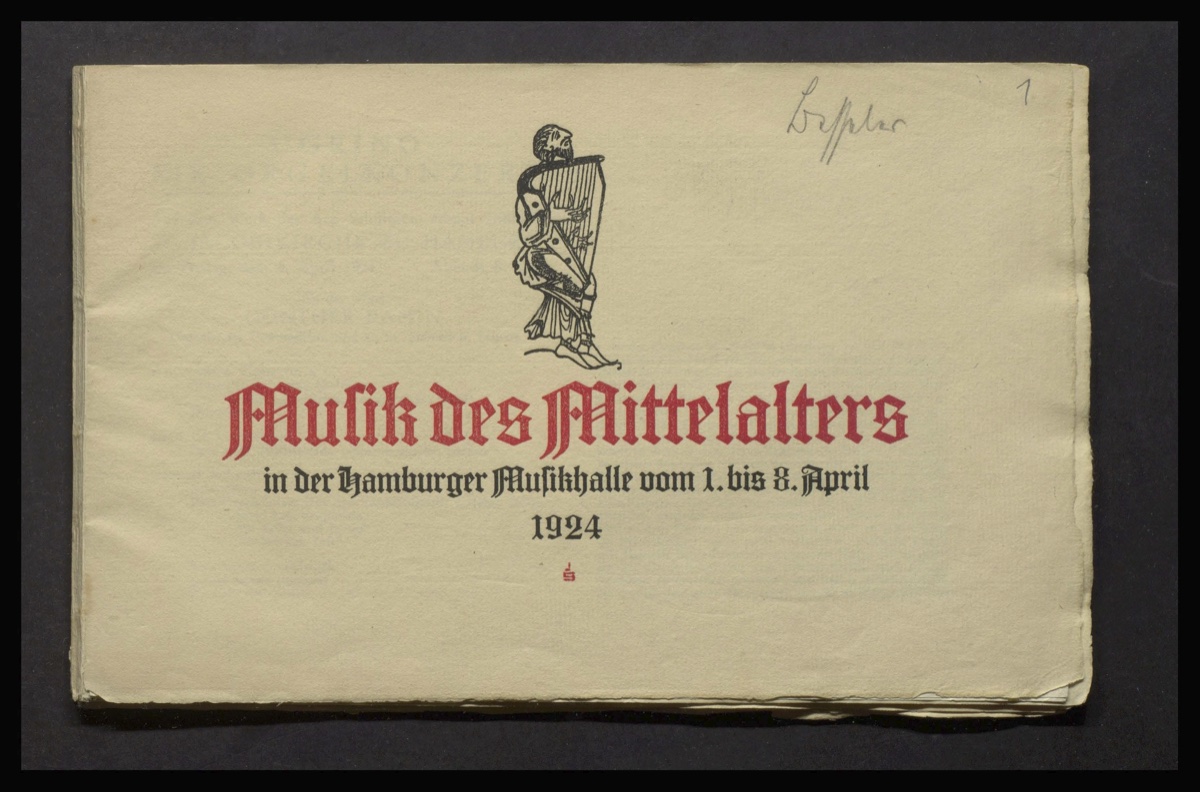
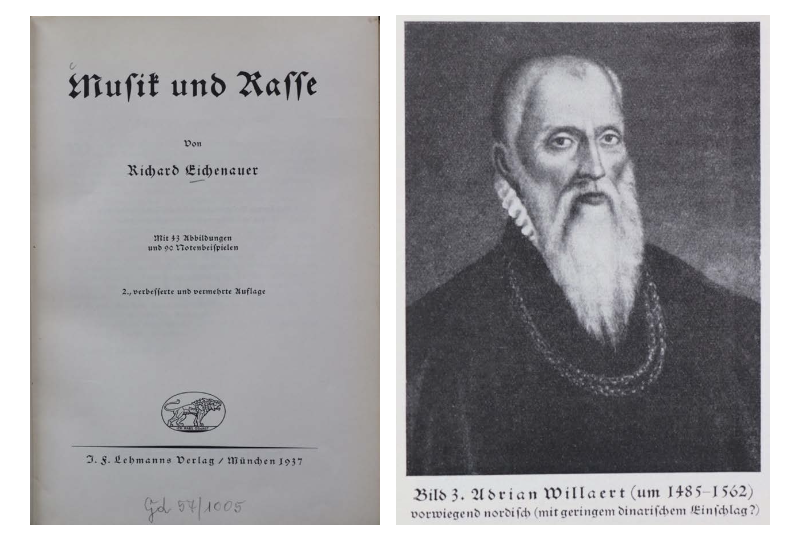
This dissertation takes as its point of departure a problematic historiographical tradition. Even while recognizing that the death of the famous composer Josquin des Prez (1450–1521) marked a stylistic turning point, scholars working in Germany in the early twentieth century characterized the decades that followed, ca. 1520–50, as an aesthetic retrenchment, overstating Josquin’s influence and unwittingly lumping into the same generation sixteenth-century musicians who in fact worked at different times and in different stylistic idioms.
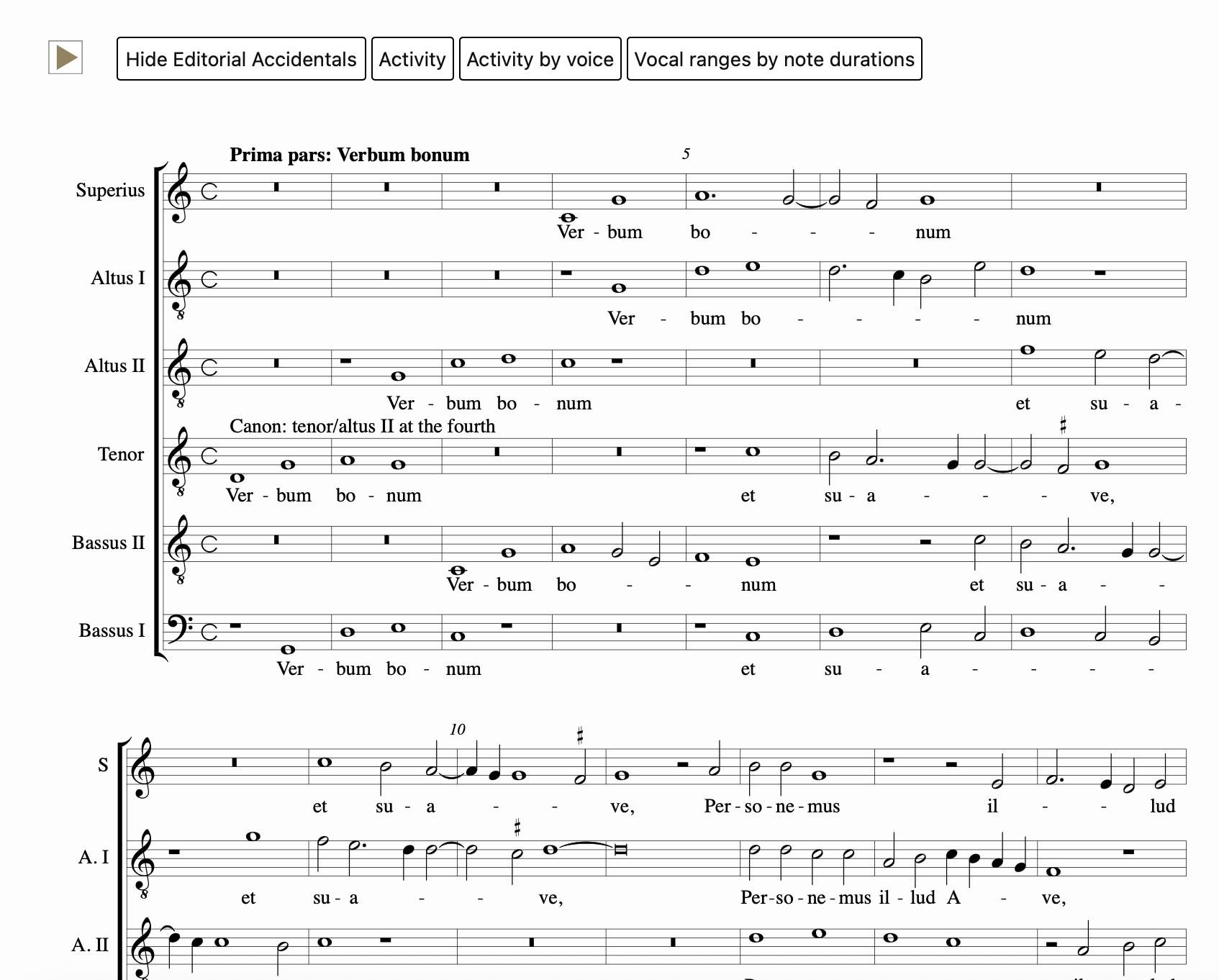
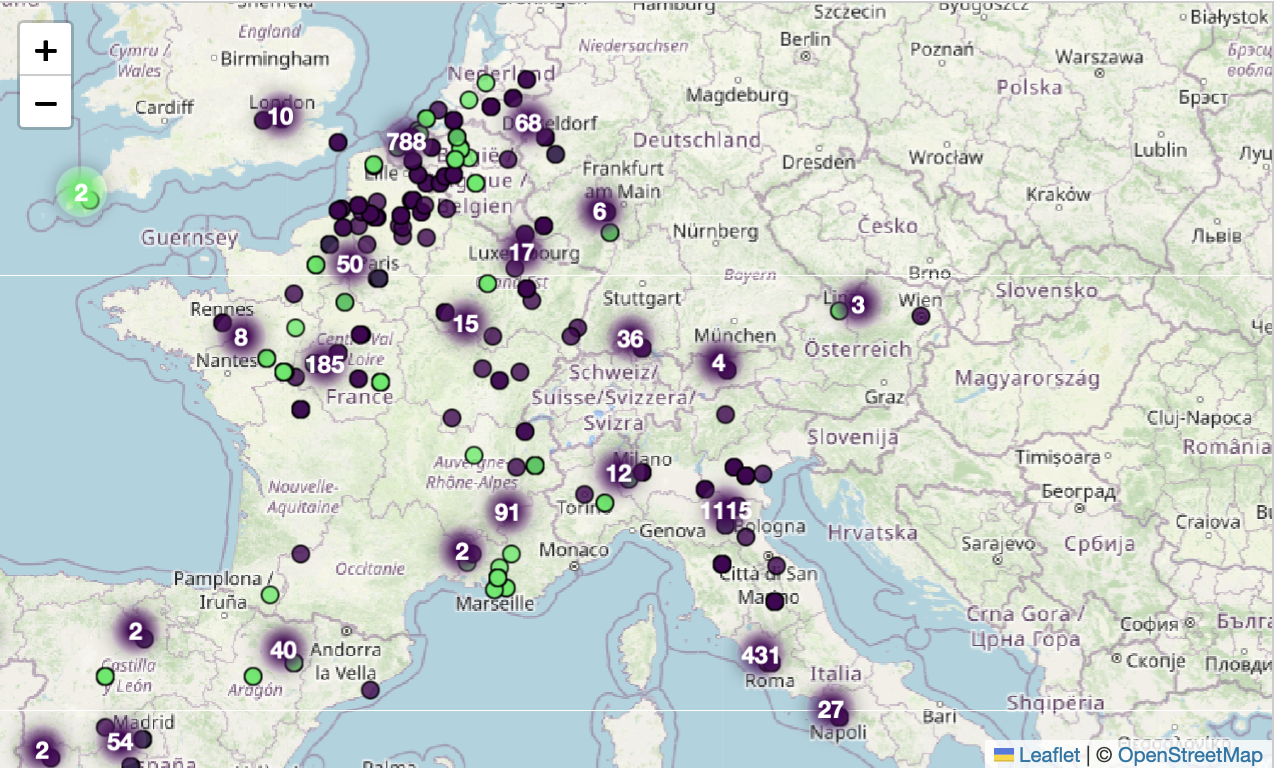
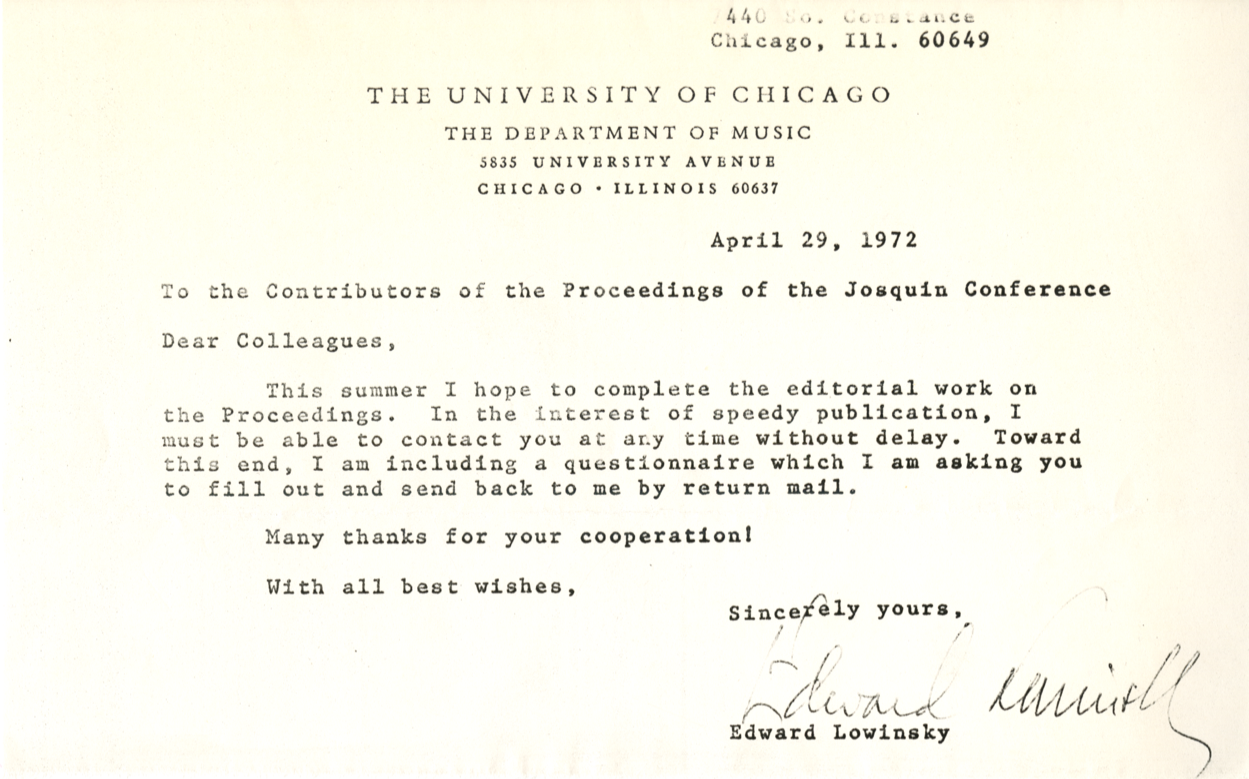
Relying on research in approximately thirty archives, this study reveals how a problematic narrative arose owing to nationalism, religious politics, interpersonal politics, the state of the field at the time, and the inaccessibility of primary source materials. The dissertation revisits composer biographies and the datings of central musical sources. And it uses comparative stylistic analyses of sacred polyphony to pinpoint how, when, and where a new style emerged ca. 1520. Placing writings that launched the modern historiographical tradition in dialogue with musical repertories central to the early history of musicology, the dissertation aims to give appropriate weight to a decisive shift in the history of music while also revealing the enduring influence of early German scholarship on the discipline as a whole.